The Second Candle Confirmation
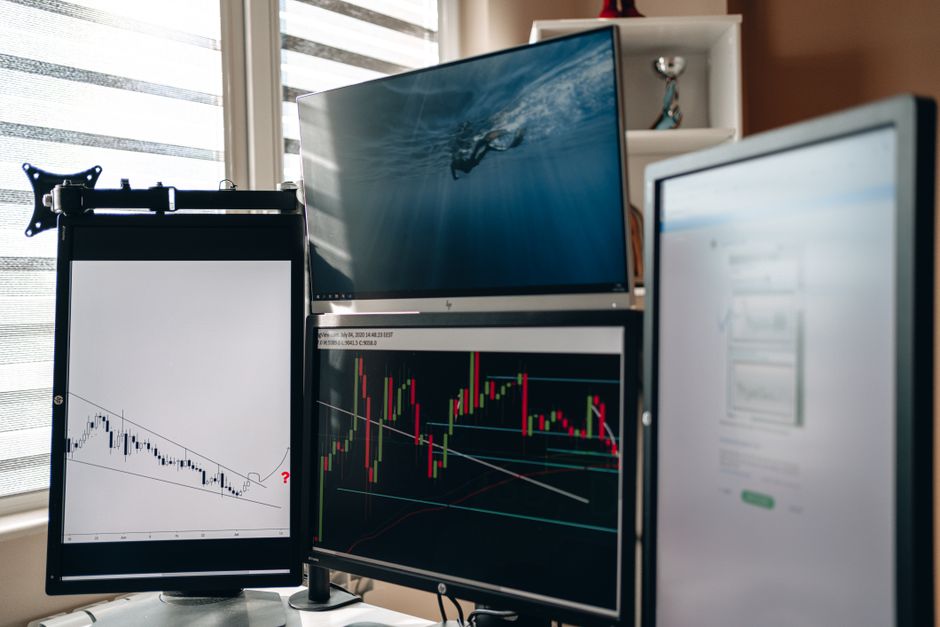
Ten minutes of price action provides enough data to establish a baseline for the session. The data points recorded at orb trading opening bell dianaliang confirm that many traders fail because they enter too early during the initial volatility of the market open. An opening range breakout requires more than a simple breach of a level to prove momentum. High frequency noise often creates false signals during the first fifteen minutes of the day. Monitoring the orb provides the necessary context to separate real movement from random fluctuations.
The Mechanics of the Second Candle

A breakout occurs when price moves beyond the high or low of the initial opening range. Many mistakes happen when a trade is entered the moment a single candle pierces a level. This often leads to getting caught in a mean reversion. The second candle confirmation requires that the second candle closes in the direction of the intended breakout. This second close acts as a mechanical filter. A 5 minute candle that breaks the level but closes back inside the range is a failure of momentum. The entry only happens after the second candle settles. This reduces the number of trades but increases the probability of the trend continuing through the first hour.
Timeframe Selection and Execution
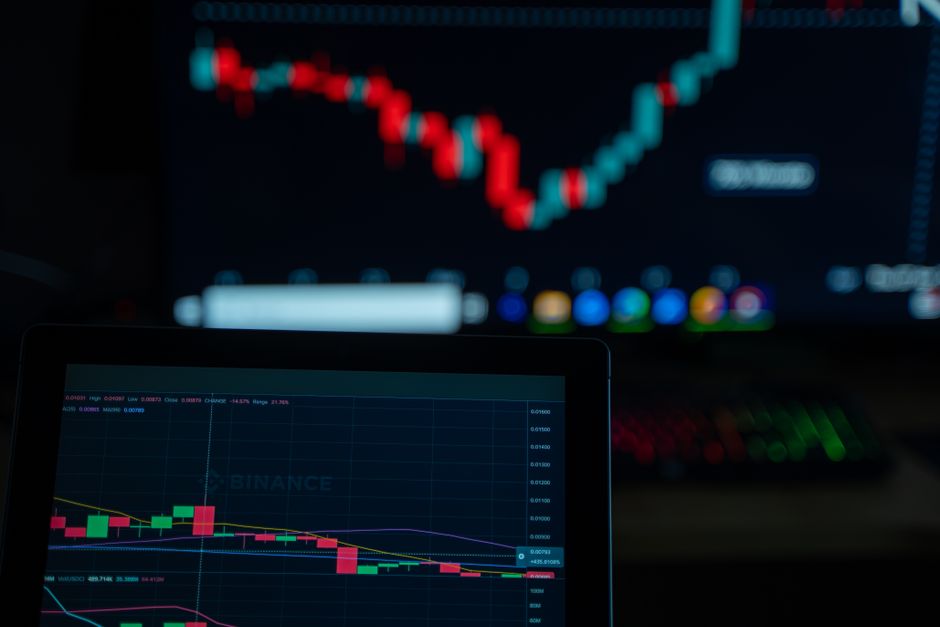
The choice of timeframe dictates the speed of the signal. Using a fifteen minute range offers more stability than a smaller window. A 15 minute candle provides a clearer picture of where the heavy volume sits. When the second candle closes above the session high, the setup is complete. This method works across various instruments during regular trading hours. Relying on a 30 minute or 60 minute range requires more patience but yields a different type of trend. Each timeframe carries specific rules for the second candle confirmation. The mechanical rule remains the same. No close means no trade.
Filtering False Breakouts
Volume often spikes during the opening bell and then tapers off. A breakout on low volume is frequently a trap. The second candle must show sustained interest. If the first candle breaks the level and the second candle immediately reverses, the breakout is void. This process prevents entering during a period of indecision. Intraday trends are often built on these successful confirmations. A failed second candle often precedes a move in the opposite direction. Watching the price action at the cash open helps identify where the real strength lies. The second candle must hold the direction to validate the move.
Summary of the Process
Execution follows a strict sequence. Define the opening range. Wait for the first breach. Observe the second candle. Check the close. The second candle must close outside the established boundary. This protocol removes the guesswork from the opening range breakout. It turns a subjective observation into a mechanical task. Success depends on the discipline to wait for that second close. Without it, the risk of a fakeout is too high. The data shows that waiting for the second candle improves the hit rate during the morning session.