Gap-and-Go Failure Mode
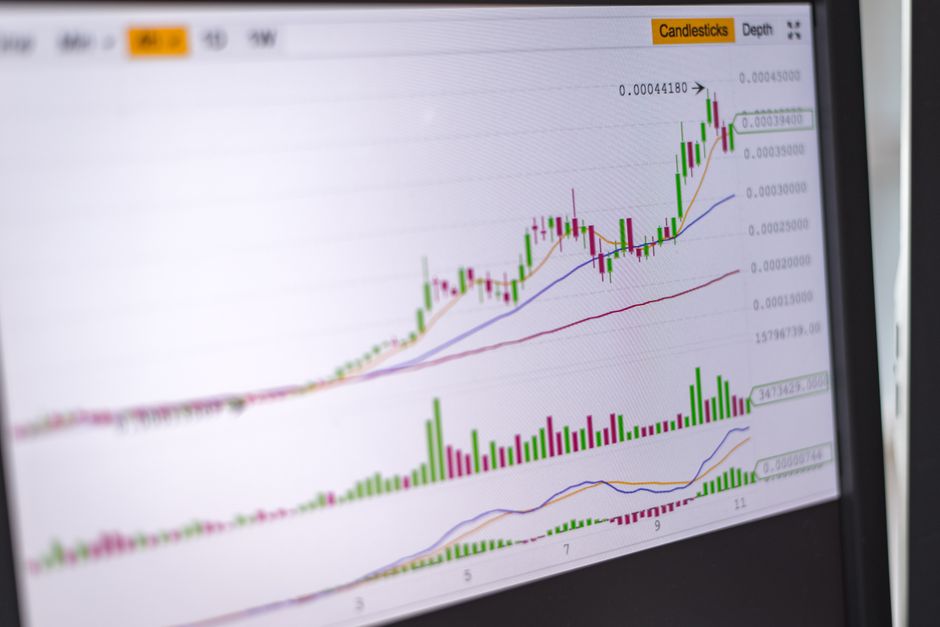
Two gaps that look identical on a chart can behave differently once the first five minutes of liquidity hit the tape, and the data recorded at orb trading opening bell dianaliang shows that these distinctions dictate the direction of the entire session. A gap up that fails to maintain its position above the opening range becomes a trap for momentum traders. Tracking the intraday movement of these failed gaps requires looking at the volume and price action relative to the cash open. When a gap fails to hold, the physics of the trade shift from expansion to mean reversion.
The Mechanics of the Failed Breakout

A standard opening range breakout relies on the price staying above the initial high established during the first few minutes. If the price returns into the body of the first fifteen minutes, the gap is no longer acting as support. Instead, it acts as a ceiling. The failure occurs when the price cannot find buyers to defend the premarket highs. This lack of follow through signals that the initial imbalance is being swallowed by sellers. A gap that fails to hold the high often targets the previous day close or the opening bell price itself.
Volume and Price Reversal Signals

Observation of the volume profile during the first hour reveals the strength of the failure. High volume as the price moves back into the opening range suggests heavy selling pressure. A gap-and-go setup requires sustained volume to maintain the trend. Without it, the price drifts back toward the session high or lower. The fifteen minute range often provides the first clear signal that the gap is filling. If the candle closes below the high of the initial expansion, the probability of a full gap fill increases significantly.
Identifying the Reversal Point
The point of failure is marked when the price breaks the low of the first 5 minute candle after the gap. This break indicates that the buyers who entered at the market open are now underwater. A failed gap often moves faster than a successful one because of the liquidation of long positions. Monitoring the thirty minute range helps confirm whether the reversal is a temporary dip or a structural shift in the trend. A heavy close below the opening range high confirms the failure of the initial momentum.
Managing the Gap Fill Process
A gap fill is a mechanical process where price travels from the gap area back to the origin of the move. Once the opening range high is lost, the target moves toward the premarket levels. The speed of this move depends on the liquidity available during regular trading hours. If the price enters the range with high velocity, the gap fill usually completes within the first hour of the session. Observing these patterns helps in distinguishing between a trend continuation and a reversal move.