The Case for Not Touching the First Minute
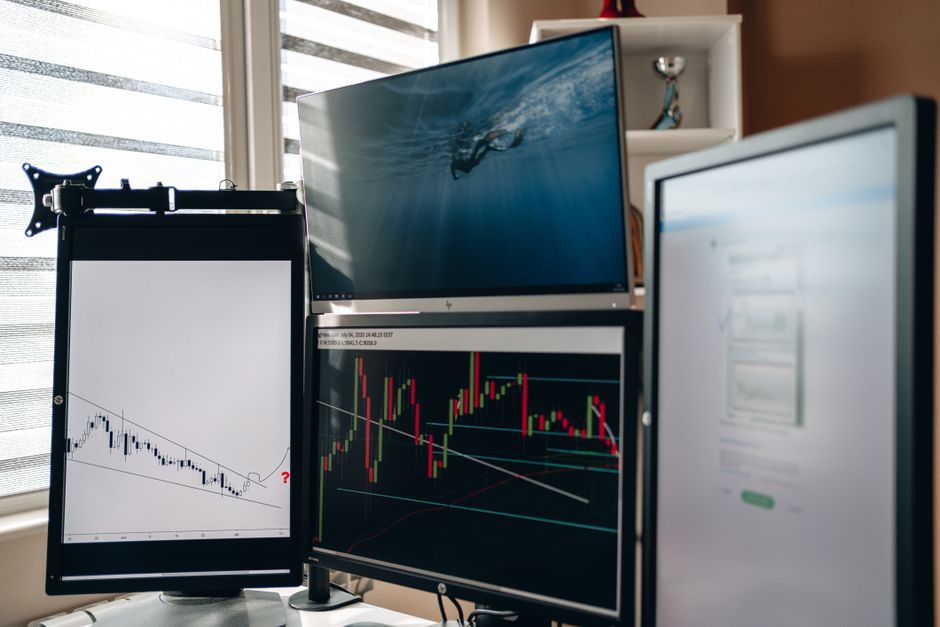
Advice to avoid the opening minute is common enough to have become a slogan, repeated without much attached to it. The argument is stronger than the slogan suggests, and it does not depend on the minute being unprofitable. It depends on an asymmetry between what participating costs and what it offers, and on that asymmetry being unusually lopsided at this particular time of day.
The Costs Are Certain
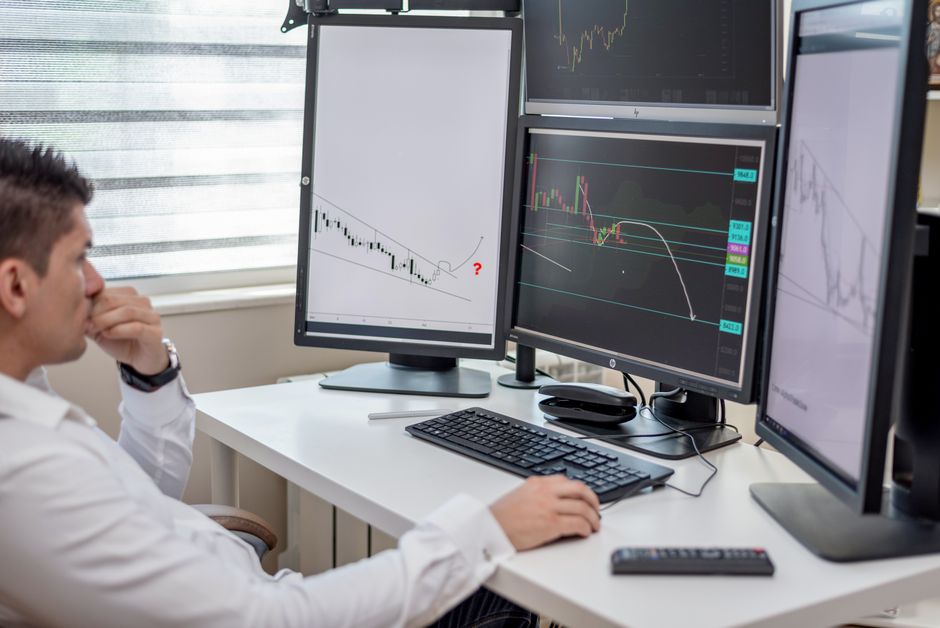
Three of them arrive whether the idea was right or wrong. The spread is at its widest, so entry and exit both cost more than they will later. Quoted size is smaller, so an order of ordinary size walks through several levels and fills further from the intended price. And the level the decision was based on may have been produced by a shortage of liquidity rather than by anyone's opinion.
None of that is a probability. It is the condition of the market at that moment, and it applies equally to the trades that work and the trades that do not. Costs that arrive regardless of outcome are the ones worth being most careful about, because they cannot be offset by being right more often.
The Benefit Is Speculative
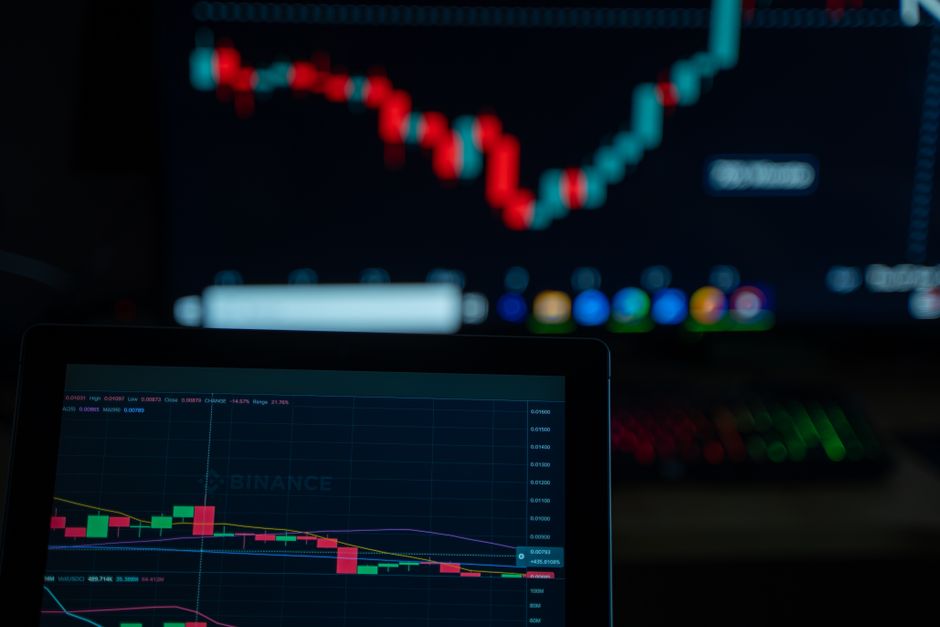
Set against that is the possibility of catching a move at its beginning. It is a real possibility and it does happen. It is also conditional on the move continuing, on the initial direction being the one that persists, and on the level acted upon still existing a minute later.
The comparison is therefore between a certain cost and an uncertain benefit, at the one point in the session where the cost is at its maximum. That does not make participation wrong. It makes it a worse version of the same trade taken slightly later, unless the move is one that will be entirely over by then.
What Waiting Actually Gives Up
The honest answer is that it gives up something. Moves that begin at the bell and run without pause are not rare, and a rule that stands aside will miss the early part of every one of them. Pretending otherwise weakens the argument, because anyone who watches for a while will see the missed moves and conclude the rule is wrong.
What it gives up is the beginning of a subset of moves, in exchange for avoiding the widest spreads and the least reliable levels on every single session. That is a trade between an occasional visible loss and a continuous invisible saving, which is the least intuitive kind of trade to accept and one of the more reliable kinds to make.
How Long Is Long Enough
There is no fixed answer, and instruments differ. What can be watched directly is the market's own recovery. Spreads narrowing back to something ordinary, quoted size returning, and price beginning to trade in a band rather than in single long moves all indicate that the auction has finished unwinding.
Using observation rather than a fixed clock has an obvious drawback, which is that it requires a judgement in the moment. A fixed delay is cruder and has the advantage of being unarguable, which on some mornings is worth more than accuracy. Either is defensible. Deciding in advance which one is being used is what matters, because the alternative is deciding at the bell, when the market is at its most persuasive.
What This Is Not an Argument For
Standing aside is not the same as not watching. The first minute contains information about the day even when it contains no trade. How large the opening imbalance appears to have been, whether the initial move held or was immediately met, and how quickly the book rebuilt all say something about what kind of session this is likely to be.
The position being argued for is narrow. Watch it, learn from it, and do not transact in it. It is a stretch of the day where being right is cheap and executing is expensive, and those two facts are easy to confuse when the chart is moving quickly.